
Camping in Canada offers breathtaking landscapes, peaceful forests, and unforgettable outdoor experiences. However, the country’s diverse terrain and unpredictable weather make preparation essential, especially for beginners. Having a clear camping checklist and understanding key safety practices can make the difference between a great trip and a risky one.
This guide covers everything you need to know about camping safety essentials so you can explore Canada with confidence.
Why Camping Safety Matters in Canada
Canada’s wilderness is vast and beautiful, but it also comes with challenges. Weather can change quickly, wildlife encounters are possible, and many campsites are located far from immediate help.
For beginners, focusing on camping safety gear and proper planning ensures you stay protected while enjoying the outdoors. A well prepared camper is a safe camper.
Essential Camping Safety Checklist
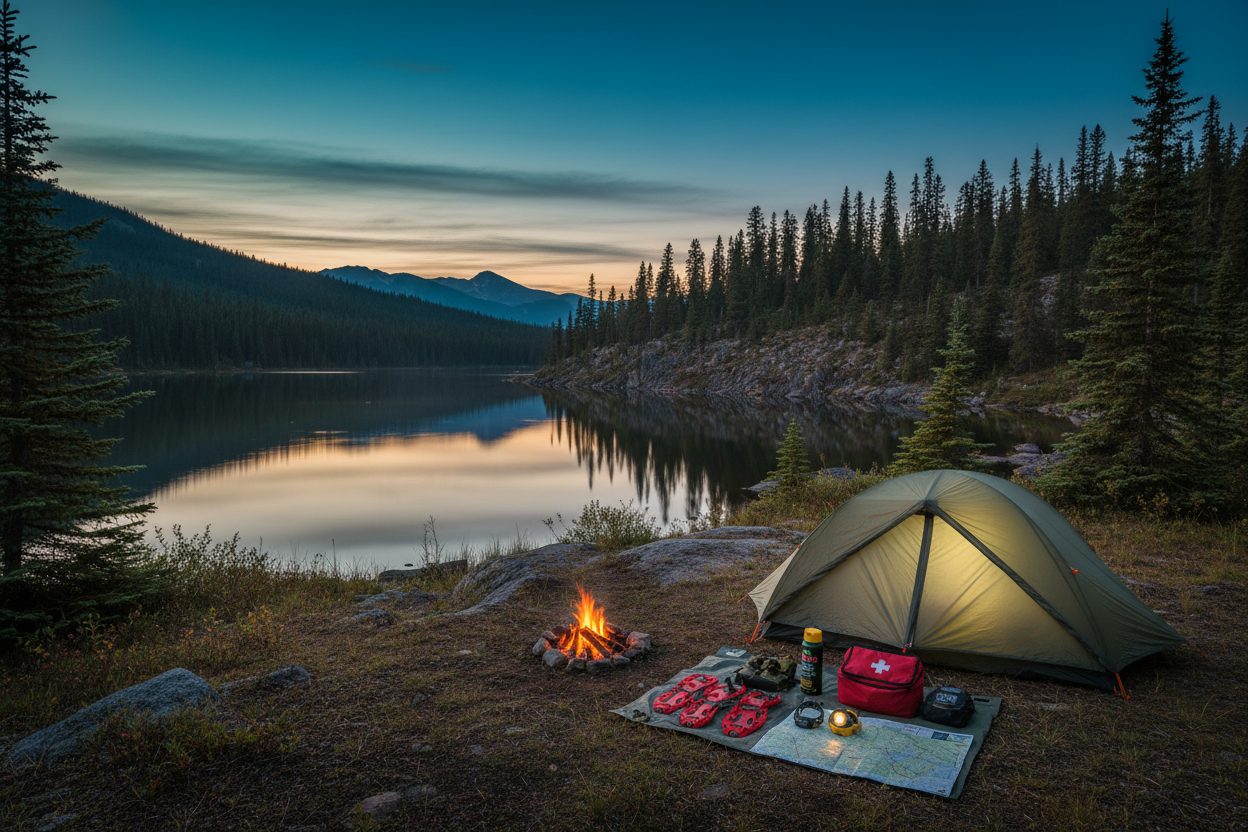
Before heading out, make sure you have all the necessary camping safety essentials. Here is a simple checklist to follow:
• First aid kit with basic medical supplies
• Weather appropriate clothing including layers
• Reliable tent and sleeping gear
• Flashlight or headlamp with extra batteries
• Portable stove and safe cooking equipment
• Enough food and clean drinking water
• Navigation tools such as a map and compass
• Multi tool or knife
• Emergency whistle
• Fully charged phone or communication device
This camping checklist helps reduce risks and ensures you are ready for unexpected situations.
Choosing the Right Camping Safety Gear
Selecting the right camping safety gear is crucial, especially in Canada where conditions can vary widely depending on location and season.
Start with a durable tent that can handle wind and rain. Sleeping bags should match the temperature of your camping area. For colder regions, insulated sleeping gear is essential.
Navigation tools are often overlooked by beginners. Even if you rely on your phone, carrying a physical map and compass is highly recommended. In remote areas, signal loss is common.
Another important item is a portable water filter. While Canada has many natural water sources, not all are safe to drink without treatment.
Understanding Weather and Terrain
One of the most important aspects of camping safety in Canada is understanding the environment. Weather can shift rapidly, especially in mountainous or forested areas.
Always check the forecast before your trip and prepare for colder temperatures at night. Even during summer, temperatures can drop significantly.
Terrain also plays a role in safety. Rocky areas, dense forests, and uneven ground require proper footwear and careful movement. Choose campsites that are flat, dry, and away from potential hazards like falling branches or flooding zones.
Wildlife Safety Tips for Beginners
Canada is home to a wide range of wildlife including bears, moose, and smaller animals. While encounters are rare, it is important to stay prepared.
Follow these basic safety tips:
• Store food in sealed containers and away from your sleeping area
• Never leave food unattended at your campsite
• Make noise while hiking to avoid surprising animals
• Keep a safe distance from wildlife at all times
• Carry bear spray if you are camping in high risk areas
Understanding these precautions is a key part of your camping safety essentials.
Campfire and Cooking Safety
Campfires are a big part of the camping experience, but they must be handled responsibly.
Always follow local regulations regarding fire use. Use designated fire pits where available and never leave a fire unattended. Keep water or sand nearby to extinguish flames quickly if needed.
When cooking, ensure your equipment is stable and placed on a flat surface. Avoid cooking inside your tent to reduce the risk of fire or carbon monoxide exposure.
Emergency Preparedness
Even with proper planning, emergencies can happen. Being prepared helps you respond calmly and effectively.
Share your camping plan with a friend or family member before leaving. Let them know your location and expected return time.
Carry emergency supplies such as:
• Extra food and water
• Backup clothing
• Emergency shelter or blanket
• Basic repair tools
Having these items as part of your camping checklist can make a significant difference in unexpected situations.
Final Thoughts
Camping in Canada is an incredible experience for beginners, but safety should always come first. By following a structured camping checklist, investing in reliable camping safety gear, and understanding your surroundings, you can enjoy your trip with peace of mind.
Start simple, stay prepared, and gradually build your confidence as you gain more experience. With the right approach, camping becomes not only safe but also deeply rewarding.

Leave a comment
All comments are moderated before being published.
This site is protected by hCaptcha and the hCaptcha Privacy Policy and Terms of Service apply.