
Icy sidewalks, packed snow, frozen driveways, and slick parking lots can turn an ordinary winter day into a balancing act. The right ice cleats for winter add traction to your existing boots or shoes, helping you move with more confidence when the ground is unpredictable. Choosing a pair is not just about finding the most aggressive spikes; it is about matching the cleat style to where you walk, how often you use them, and what kind of winter footwear you already wear.
What should you look for in ice cleats for winter?
The best ice cleats for winter should fit securely, grip the surfaces you actually walk on, and feel comfortable enough that you will use them consistently. A good pair should be easy to put on, stay in place while you walk, and provide traction without making your stride feel awkward. The right choice depends on whether you are walking to the mailbox, commuting across icy lots, working outdoors, hiking snowy trails, or moving between indoor and outdoor spaces throughout the day.
Ice cleats come in several designs, and each one has a purpose. Some use small metal studs for everyday walking. Others use coils, chains, or more aggressive spikes for packed snow and rough ice. A pair that works beautifully on a frozen trail may feel clunky on a city sidewalk, while a lightweight pair made for errands may not offer enough bite for steep outdoor work areas.
A practical way to start is to think about your normal winter routine. If you mostly walk on shoveled sidewalks with occasional icy patches, you may want a low-profile option that is easy to remove. If you regularly cross icy gravel, sloped driveways, or packed snow, you may need deeper traction. If your job requires outdoor movement, durability and secure fit matter just as much as grip.
Traction starts with the surface under your feet
Not all winter ground is the same, and that is why one style of cleat will not suit every situation. Clear glare ice is different from crusty snow, slush over pavement, frozen mud, or compacted snow on a trail. Before buying snow cleats, picture the surfaces you deal with most often and choose a design that matches those conditions.
For icy sidewalks and paved areas, low-profile studs or small spikes can provide useful grip without feeling too bulky. These cleats are often a good fit for walking dogs, running errands, shoveling, or commuting. They give you extra traction while still allowing a fairly natural step.
For packed snow, uneven ground, or winter trails, chains, coils, or more aggressive spikes can be more effective. They cover more of the sole and can bite into irregular surfaces. The tradeoff is that they may be noisier, heavier, and less comfortable on bare pavement.
For steep slopes or outdoor work areas, traction needs become more serious. You may need a cleat that grips under the heel and forefoot, not just one area of the shoe. A secure harness or rubber frame is also important because shifting cleats can be distracting and unsafe.
Common types of winter traction devices
Ice cleats are sometimes grouped together as if they all work the same way, but small design differences can change how they feel underfoot. Understanding the main options makes it easier to narrow your choices.
-
Studded cleats: These use small metal points or studs spread across the sole. They are often good for everyday walking on icy pavement, parking lots, and sidewalks.
-
Coil-style cleats: These use metal coils wrapped around the bottom of the shoe. They can work well on light ice and packed snow, especially for casual walking.
-
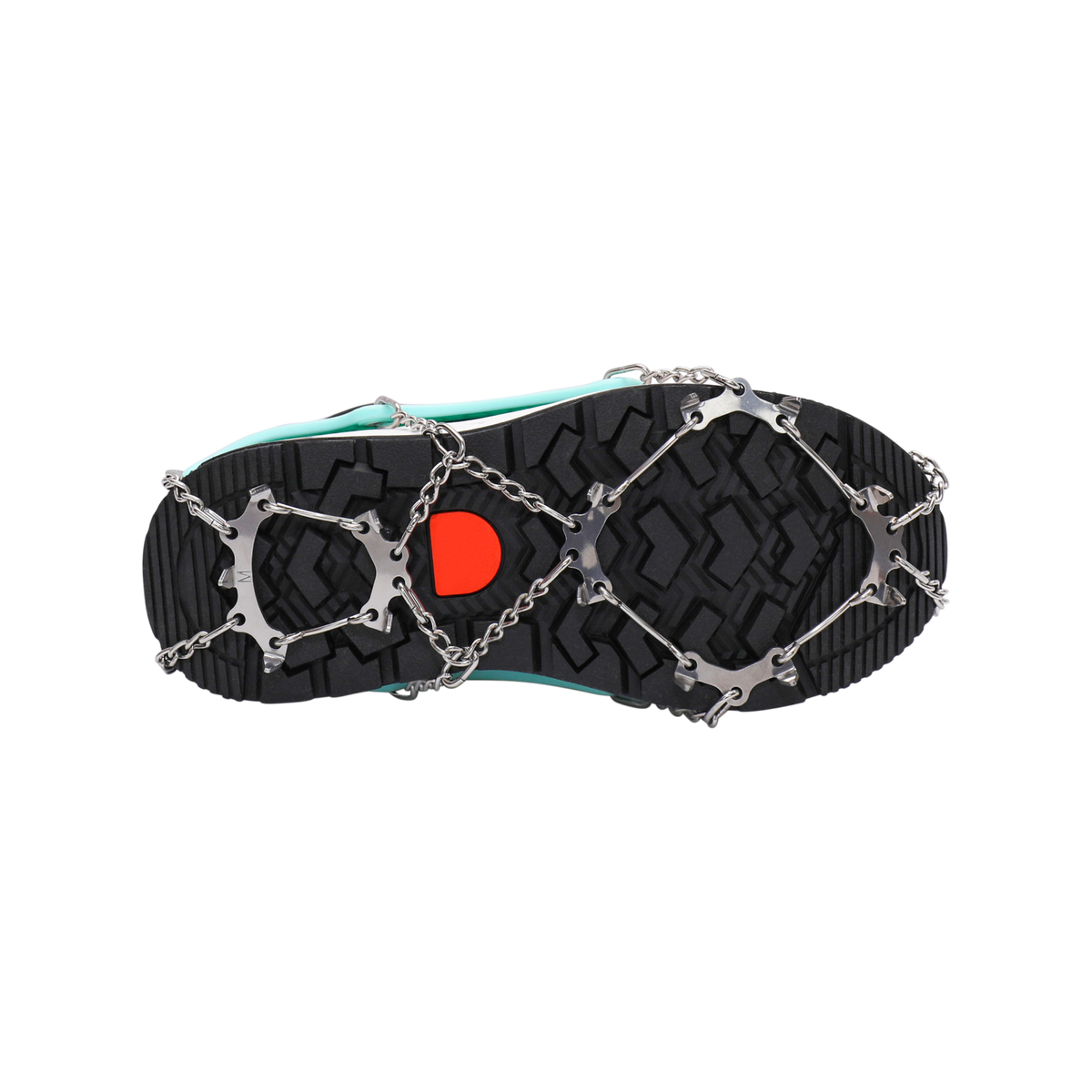
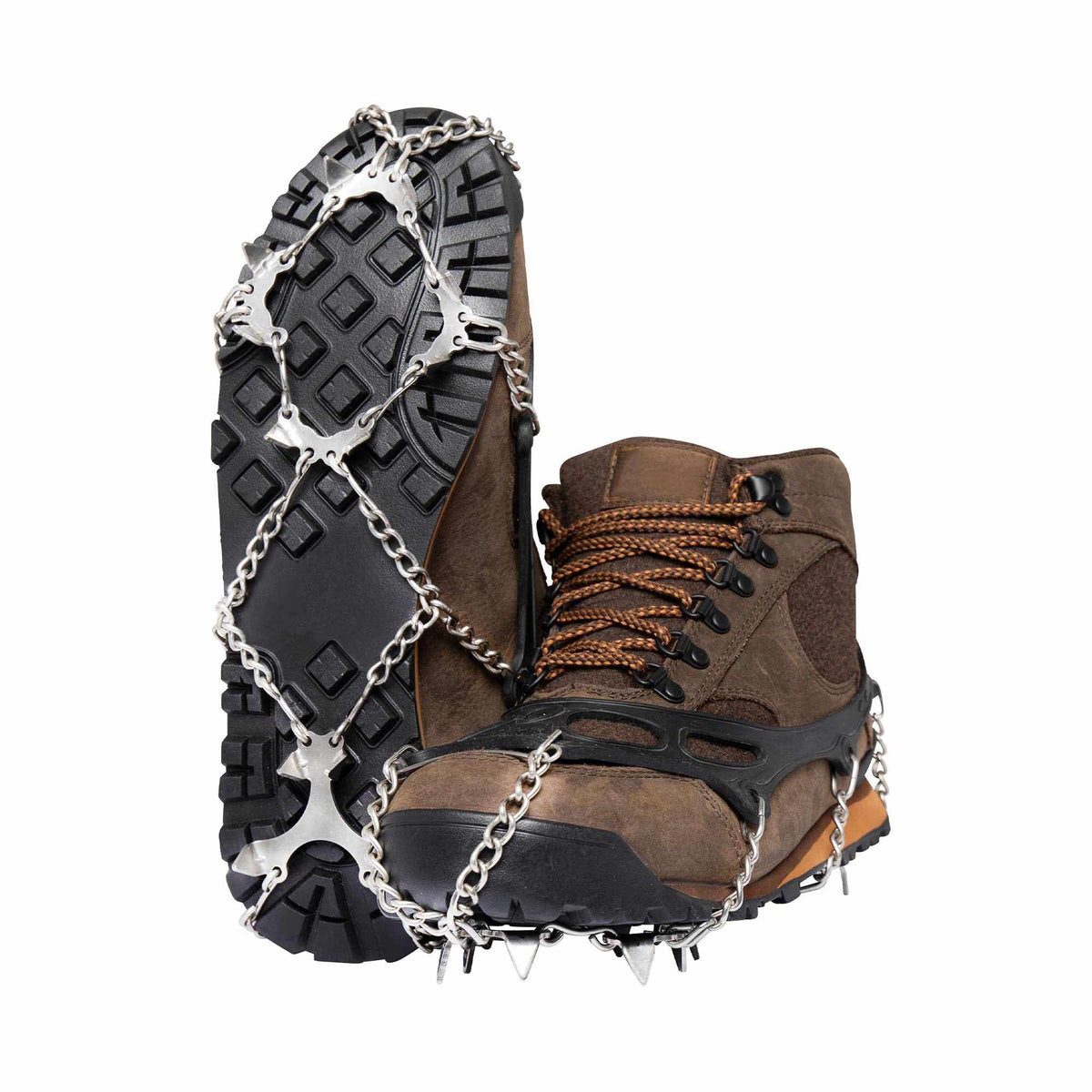
Chain-style cleats: These use small chains beneath the foot to add grip on snow and mixed winter surfaces. They tend to feel flexible and can be useful on trails or uneven ground.
-
Spike-style cleats: These have more pronounced spikes for stronger bite. They may be better for hiking, outdoor work, or areas with frequent ice buildup, but they can feel aggressive on hard indoor floors.
-
Heel-only cleats: These attach mainly under the heel and are sometimes used in work settings. They can be convenient, but they may not offer enough full-foot traction for everyone.
The right type is the one that supports your actual movement. If you take short, careful walks on mostly flat pavement, you may not need the most rugged option. If you carry tools, walk on slopes, or deal with refrozen snow every morning, a more robust traction device may be worth the extra bulk.
Fit matters more than people think
A cleat that grips the ice but slides around on your boot is not a good cleat. Fit is one of the most important details because ice cleats rely on steady contact with the sole of your shoe. If the frame is too loose, the traction points may shift. If it is too tight, it can be hard to put on and may not sit flat.
Most cleats are sized to fit a range of shoe sizes, but the shape of your footwear matters too. A bulky insulated boot, a narrow walking shoe, and a wide work boot can all fit differently even if the printed shoe size is similar. Before buying, check whether the cleats are designed for boots, shoes, or both.
When trying them on, make sure the traction area lines up with the parts of your foot that contact the ground. The toe and heel should feel secure, and the cleat should not twist when you shift your weight. Walk a few steps on a safe surface to check whether your stride still feels controlled.
A few fit checks can help:
-
The cleat frame should stretch snugly around the shoe without overstressing.
-
The traction points should sit centered under the sole.
-
The toe section should not pull backward while walking.
-
The heel should stay seated when you lift your foot.
-
The cleat should not bunch, fold, or drag at the edges.
If you plan to wear different winter footwear throughout the season, consider whether one pair of cleats will work across all of them. Sometimes a dedicated pair for your main boots is better than forcing one size to fit everything.
How much grip is enough?
Enough grip means you can walk more naturally on your usual winter surfaces without feeling like the cleats are excessive for the setting. More spikes do not automatically mean a better experience, because aggressive traction can be uncomfortable, loud, or awkward when conditions change. The goal is balanced control, not overbuilding for a situation you rarely face.
For everyday use, moderate traction is often the most practical. You want help on slick patches, but you may also need to step onto cleared pavement, garage floors, entry mats, or public walkways. A low-profile design can make those transitions easier.
For hiking, chores on rural properties, or long walks over packed snow, stronger traction may be worth it. In these settings, you are less likely to be moving constantly between indoor and outdoor surfaces, and the ground may be less predictable. Bigger spikes or chain systems can help you feel steadier when snow hides icy spots.
For work use, grip should be considered alongside mobility. If you climb in and out of vehicles, carry loads, or walk over mixed surfaces, look for cleats that stay firmly attached and do not interfere with your movement. Some people also prefer designs that are quick to remove when entering areas where metal spikes are not appropriate.
Comfort and walking feel affect whether you use them
The best traction device is the one you will actually put on before stepping outside. If a pair feels awkward, takes too long to attach, or makes every step uncomfortable, it may end up sitting by the door unused. Comfort deserves attention because winter safety habits work best when they are easy to repeat.
Weight is part of the comfort equation. Lightweight cleats can be better for errands and casual walks, while heavier options may feel more stable for demanding conditions. There is always a tradeoff between ruggedness and convenience.
Flexibility also matters. Some rubber frames stretch easily over boots, while others feel stiff in cold temperatures. A flexible design may be easier to put on, especially if you are wearing gloves or standing in a cold entryway.
Pay attention to underfoot feel. Studs and coils may feel relatively subtle, while larger spikes can create a raised or uneven sensation. That feeling may be acceptable outdoors but annoying if you frequently cross hard, cleared surfaces.
Also consider noise and floor protection. Many cleats click or scrape on concrete, tile, or other hard surfaces. They may also damage indoor flooring, so it is wise to remove them before going inside unless the product is specifically intended for safe indoor transitions.
Durability, materials, and seasonal use
Winter gear takes a beating. Ice cleats may be stretched over boots, exposed to road salt, scraped across pavement, and packed with snow. Durable materials help, but so does choosing a design that matches your use level.
Rubber frames should feel sturdy without being brittle. Metal traction points should be attached securely and positioned so they do not loosen quickly. If you will use cleats every day, especially for work or long walks, inspect them regularly for worn studs, cracked rubber, or stretched attachment points.
Storage also affects longevity. After use, shake off snow and let the cleats dry before putting them away. If they are covered in slush or salt, wiping them down can help keep the metal and rubber in better condition. Store them somewhere visible during winter so you remember to use them before conditions get risky.
A simple end-of-season check is useful. Look for missing spikes, thinned coils, broken chains, or rubber that no longer returns to shape. If the cleats are damaged, replace them before the next cold snap rather than waiting until the first icy morning.
Matching cleats to common winter routines
Different people need different levels of traction. A retiree walking to the mailbox, a commuter crossing a dark parking lot, and an outdoor worker clearing icy areas may all benefit from cleats, but not from the same pair. Matching the product to the routine keeps the choice practical.
For daily errands and neighborhood walks, choose a lightweight, easy-on design with moderate traction. You want something simple enough to keep by the door and use without much thought.
For dog walking, look for dependable forefoot and heel traction. Dogs can pull suddenly, so stable footing matters when you are turning, stopping, or stepping from snow into ice.
For commuting, consider portability. Some snow cleats are compact enough to carry in a bag, which helps if you need them for parking lots or transit stops but not inside the workplace.
For shoveling and home maintenance, choose a secure fit that grips on packed snow and uneven ice. You may be twisting, pushing, and stepping backward, so cleats that stay centered are important.
For winter hiking, use more rugged traction designed for uneven terrain. Trail conditions can change quickly, and low-profile sidewalk cleats may not provide enough bite.
For outdoor jobs, prioritize durability, secure attachment, and compatibility with work boots. If you move between indoor and outdoor zones, think carefully about how easy the cleats are to remove.
A practical checklist before buying
Before choosing a pair, slow down and compare the details that will matter once winter weather arrives. A few minutes of planning can prevent buying cleats that look useful but do not fit your life.
Use this checklist as a guide:
-
Identify your main surface. Is it mostly sidewalk, driveway, trail, parking lot, jobsite, or mixed terrain?
-
Choose the right traction level. Light studs may suit errands, while chains or spikes may suit packed snow and rough ice.
-
Check footwear compatibility. Make sure the cleats fit your boots or shoes, not just your listed size.
-
Look for a secure attachment. The cleat should not twist, slide, or pop off during normal walking.
-
Consider indoor transitions. If you enter stores, offices, or vehicles often, choose something easy to remove.
-
Think about storage and carrying. Compact cleats are easier to keep in a coat pocket, vehicle, or work bag.
-
Inspect build quality. Look for sturdy rubber, secure metal parts, and a design that suits your expected use.
-
Test your stride carefully. Walk slowly at first so you can adjust to the feel before relying on them in slick conditions.
This checklist also helps you avoid overbuying. The most aggressive cleat is not always the best choice if it creates inconvenience. The right pair should make winter movement feel simpler, not more complicated.
Safe habits still matter with cleats
Ice cleats improve traction, but they do not make ice harmless. Winter walking still requires attention, especially when surfaces are uneven or visibility is poor. Treat cleats as one part of your winter footwear setup, not a replacement for careful movement.
Take shorter steps on slippery ground and keep your center of balance over your feet. Avoid rushing, especially when stepping out of vehicles or walking across refrozen areas. If you are carrying bags, try to keep your hands free enough to steady yourself if needed.
Be cautious on stairs, metal grates, smooth stone, tile, and indoor floors. Some cleats that grip ice well can slip or damage surfaces that are not meant for spikes. Remove them when appropriate and put them back on before returning outside.
Visibility also matters. Ice can hide under a dusting of snow, and black ice can be difficult to see in low light. Good winter habits include watching surface changes, using handrails, and planning extra time so you do not have to hurry.
The best choice is the one that fits your winter
Choosing ice cleats is less about finding a universal “best” pair and more about choosing the best match for your conditions. Think about where you walk, what you wear, how often you will use them, and how easy they are to put on when the weather turns. A simple, comfortable pair may be perfect for occasional icy sidewalks, while a rugged design may be the better tool for trails, slopes, or outdoor work.
When your traction matches your routine, winter becomes easier to manage. Good cleats can help you move more steadily, protect your confidence, and make everyday tasks feel less stressful when snow and ice are underfoot. Pair them with sensible winter footwear, careful walking habits, and regular inspection, and you will be better prepared for the slippery days that come with the season.


Leave a comment
All comments are moderated before being published.
This site is protected by hCaptcha and the hCaptcha Privacy Policy and Terms of Service apply.