
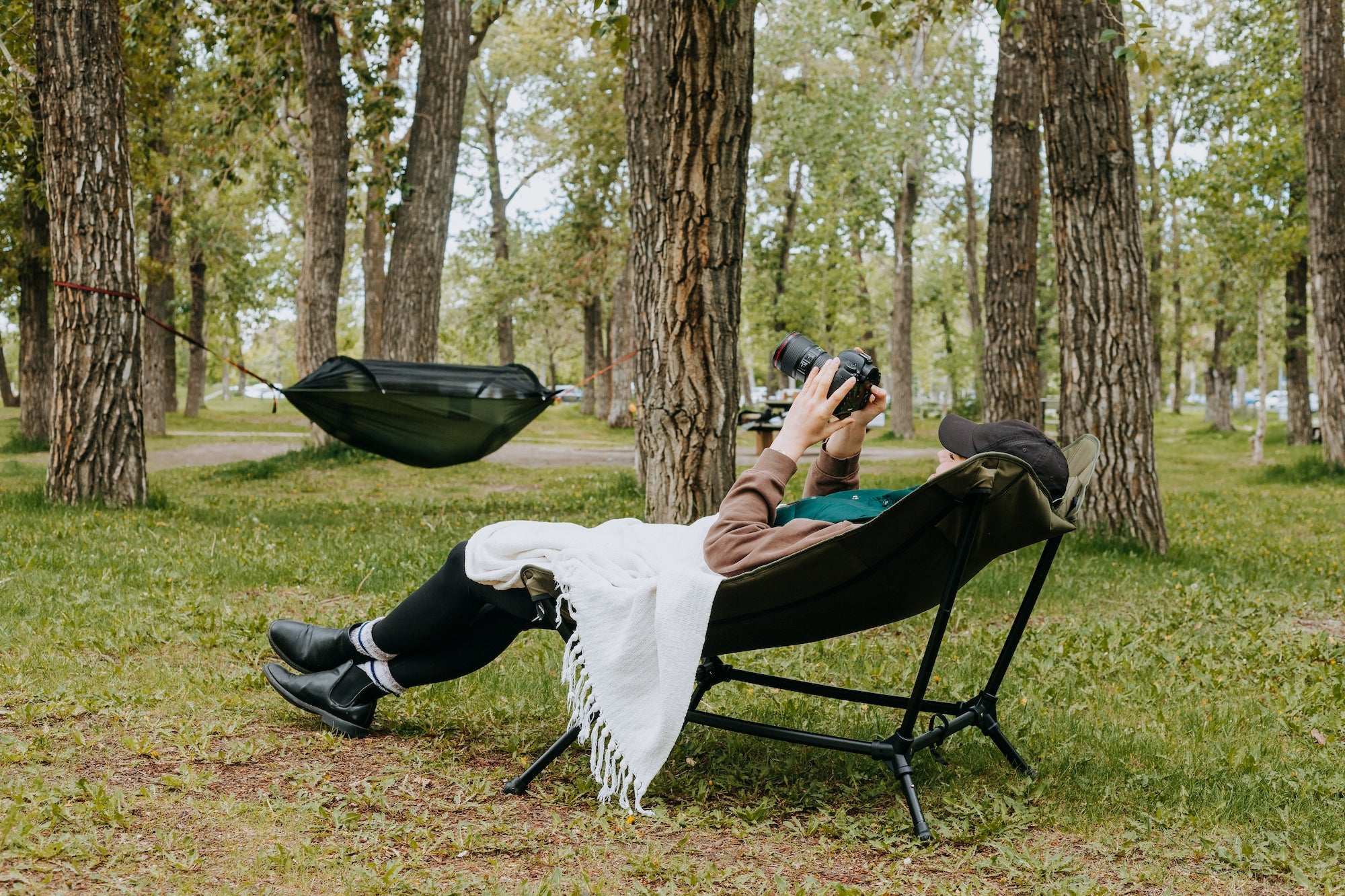
Camping in the United States offers an incredible range of outdoor experiences. From the forests of the Pacific Northwest to the mountains of Colorado and the national parks across the country, outdoor enthusiasts have countless opportunities to explore nature. When planning a trip, one common decision campers face is choosing between hammock camping and tent camping.
Both options have their advantages depending on where you are camping, the weather conditions, and the type of trip you are planning. Understanding the differences can help you decide which option works best for your next adventure.
What Is Hammock Camping
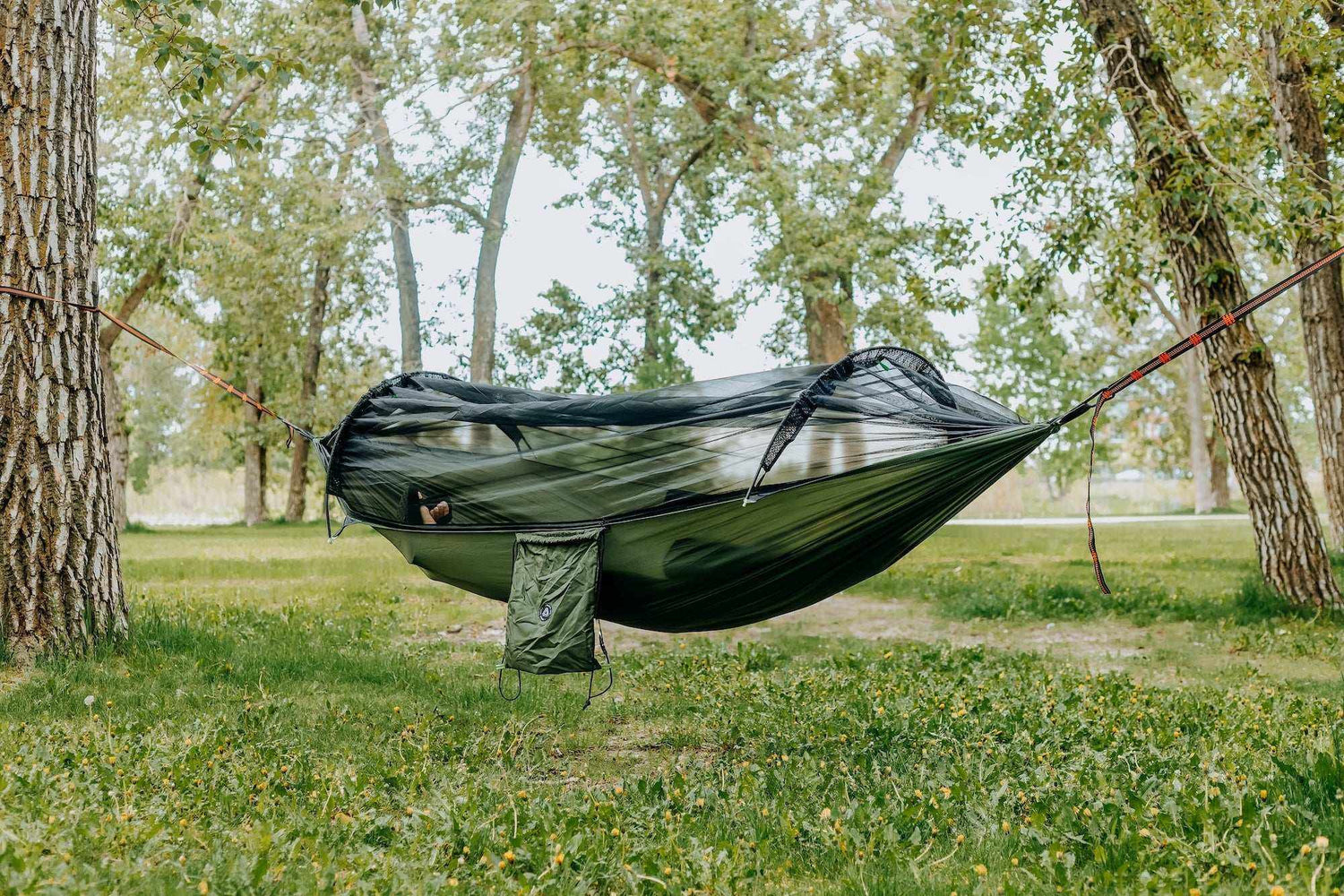
Hammock camping involves sleeping in a hammock that is suspended between two trees instead of sleeping on the ground in a tent. In recent years, camping hammocks have become increasingly popular among hikers, backpackers, and minimalist campers because they are lightweight and easy to carry.
A typical hammock for camping setup often includes a hammock, suspension straps, a rain tarp, and sometimes a bug net for protection. Many campers also use an underquilt or insulated sleeping pad to stay warm during cooler nights.
This setup allows campers to sleep comfortably above the ground while enjoying the surrounding environment.
What Is Tent Camping
Tent camping is the traditional camping method most people are familiar with. It involves setting up a tent on flat ground and sleeping inside using a sleeping bag and sleeping pad.
Tents come in many styles and sizes. Some are designed specifically for backpacking while others are larger and better suited for families or group trips. In the United States, tents are commonly used in national parks, state parks, and campgrounds because they provide reliable protection from weather and insects.
Pros of Hammock Camping
Lightweight and Easy to Carry
One of the biggest advantages of camping hammocks is their portability. Hammocks are usually lighter and more compact than tents, making them a great choice for hikers and backpackers exploring trails across the United States.
Quick and Easy Setup
Setting up a hammock for camping usually takes just a few minutes. As long as you can find two sturdy trees spaced at a suitable distance apart, your sleeping setup can be ready quickly.
Comfortable Sleeping Position
Many campers find hammocks more comfortable than sleeping on the ground. When positioned correctly, a hammock allows you to lie slightly diagonally, creating a flatter and more natural sleeping position.
Ideal for Uneven Terrain
Many camping areas in the United States have rocky or uneven terrain where it can be difficult to pitch a tent. Hammocks eliminate this issue because they suspend you above the ground.
Better Airflow During Warm Weather
Camping hammocks allow air to circulate around your body, which helps keep you cooler during warm summer nights.
Cons of Hammock Camping
Requires Trees
One limitation of camping hammocks is that they require two trees for setup. In environments such as deserts, beaches, or alpine areas, suitable trees may not always be available.
Colder in Cool Weather
In cooler climates, hammock campers need additional insulation such as underquilts or insulated pads. Without proper insulation, sleeping in a hammock can feel colder because air flows beneath it.
Limited Storage Space
Hammocks do not offer much space for storing camping gear. Campers usually keep their backpacks under a tarp or hang them from nearby trees.
Pros of Tent Camping
Works in Many Environments
Tents can be set up almost anywhere with flat ground. This makes them more versatile for camping in different environments across the United States.
Better Weather Protection
Tents provide full enclosure and protection from rain, wind, and insects. This makes them a dependable option for unpredictable weather conditions.
Extra Space for Gear
Tents provide more space for storing backpacks, clothing, and other camping equipment. Many tents also have vestibules designed specifically for gear storage.
Great for Group Camping
If you are camping with friends or family, tents are often more practical because they can accommodate multiple people in one shelter.
Cons of Tent Camping
Heavier to Carry
Compared to camping hammocks, tents are generally heavier and bulkier. For backpackers traveling long distances, this extra weight can make a difference.
Finding a Suitable Campsite
Tent camping requires relatively flat and clear ground. In forested or rocky areas, it can sometimes take time to find the right place to pitch a tent.
Longer Setup Time
Even though modern tents are designed for convenience, they usually take longer to set up compared to a hammock for camping.
Which Option Is Better for Camping in the USA
The best option depends on where and how you plan to camp.
Hammock camping is a great choice if you are camping in forested areas, want lightweight gear for hiking, and prefer a comfortable setup during warmer months.
Tent camping may be the better option if you expect colder weather, are camping in open areas without trees, or need extra space for gear and multiple people.
Many outdoor enthusiasts in the United States use both options depending on the type of trip they are planning.
Final Thoughts
Both hammock camping and tent camping offer unique advantages. The best choice depends on your camping environment, weather conditions, and personal comfort preferences.
For backcountry adventures in wooded areas, camping hammocks can provide a lightweight and comfortable alternative to traditional tents. At the same time, tents remain a reliable choice for campers who need maximum weather protection and additional space.
No matter which option you choose, the United States offers incredible camping destinations. With the right gear and preparation, you can enjoy memorable outdoor experiences across the country.


Leave a comment
All comments are moderated before being published.
This site is protected by hCaptcha and the hCaptcha Privacy Policy and Terms of Service apply.