
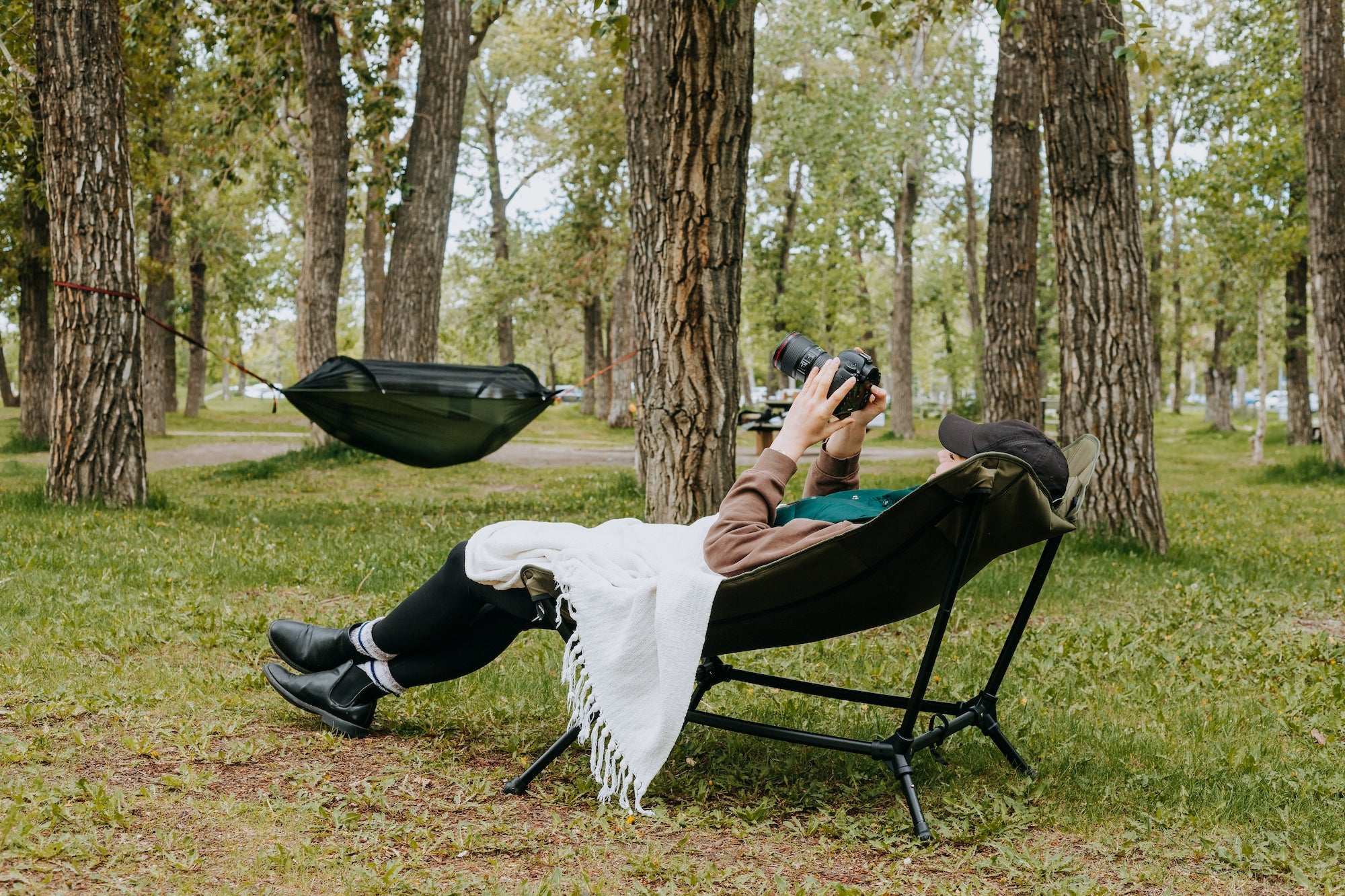
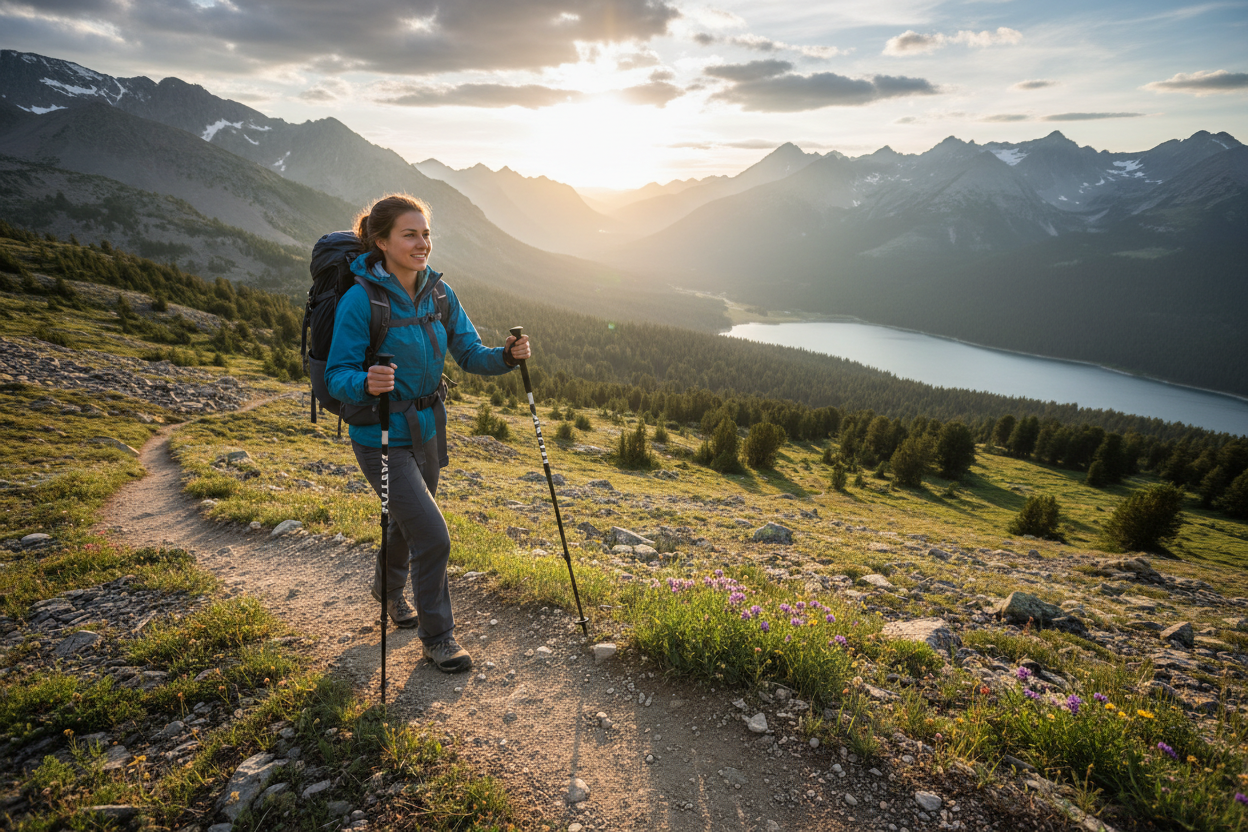
If you’re new to hiking or camping in the United States, trekking poles might not be the first piece of gear on your list. But whether you’re walking desert trails in Arizona, hiking forest paths in the Pacific Northwest, or exploring rocky routes in the Rockies or Appalachians, trekking poles can make a noticeable difference, especially for beginners.
This beginner’s guide explains how to choose trekking poles, what features matter most, and how to select the right pair for hiking and camping across diverse U.S. landscapes.
What Are Trekking Poles and Why Do Beginners Use Them?
Trekking poles often called hiking poles, are adjustable supports designed to improve balance, reduce joint strain, and provide stability on uneven terrain. For beginners, they’re especially helpful because they:
-Reduce stress on knees during downhill sections
-Improve balance on rocky, sandy, or muddy trails
-Provide support when carrying a backpack
-Help maintain rhythm and posture on longer hikes
If you’re planning overnight trips or using trekking poles for camping, they can also help with tent setup, stream crossings, and navigating uneven campsites.
Step 1: Decide Between Adjustable and Fixed-Length Poles
For beginners, adjustable trekking poles are the best option.
Adjustable trekking poles
-Adapt easily to uphill and downhill terrain
-Work well for different users
-Pack down for travel and camping
Fixed-length poles are lighter but less versatile, making them better suited for experienced hikers.
Beginner tip: Choose adjustable camping trekking poles for flexibility and ease of use.
Step 2: Choose the Right Material
Aluminum vs Carbon Fiber
Aluminum trekking poles
-Durable and budget-friendly
-Handle rough terrain well
-Bend rather than break under pressure
Carbon fiber trekking poles
-Lighter and reduce arm fatigue
-Absorb vibration better
-Can crack under heavy impact
For beginners hiking across varied U.S. terrain, aluminum poles are often the most reliable choice.
Step 3: Pick Comfortable Grips
Grip comfort matters more than many beginners expect, especially during long hikes.
Cork grips: Excellent moisture control, comfortable in warm weather
Foam grips: Lightweight and soft, good for summer hiking
Rubber grips: Best for cold mornings or winter hikes
If you hike year-round in different regions of the U.S., cork grips offer a great balance of comfort and durability.
Step 4: Get the Right Pole Length
Correct sizing improves comfort and reduces fatigue.
Basic rule:
When standing on flat ground, your elbow should form a 90-degree angle when holding the pole
Adjustable trekking poles usually have measurement markings, making it easy to fine-tune the length.
Beginner adjustment tips:
-Shorten poles when going uphill
-Lengthen them slightly when going downhill
Step 5: Choose a Reliable Locking System
The locking mechanism keeps your poles secure at the chosen length.
Common options:
Flick locks (lever locks) – easy to adjust, reliable, glove-friendly
Twist locks – lighter but can loosen over time
For most U.S. hiking conditions, flick locks are more dependable and beginner-friendly.
Step 6: Don’t Ignore Tips and Baskets
Trekking poles usually come with interchangeable accessories:
Rubber tips – for pavement or rocky trails
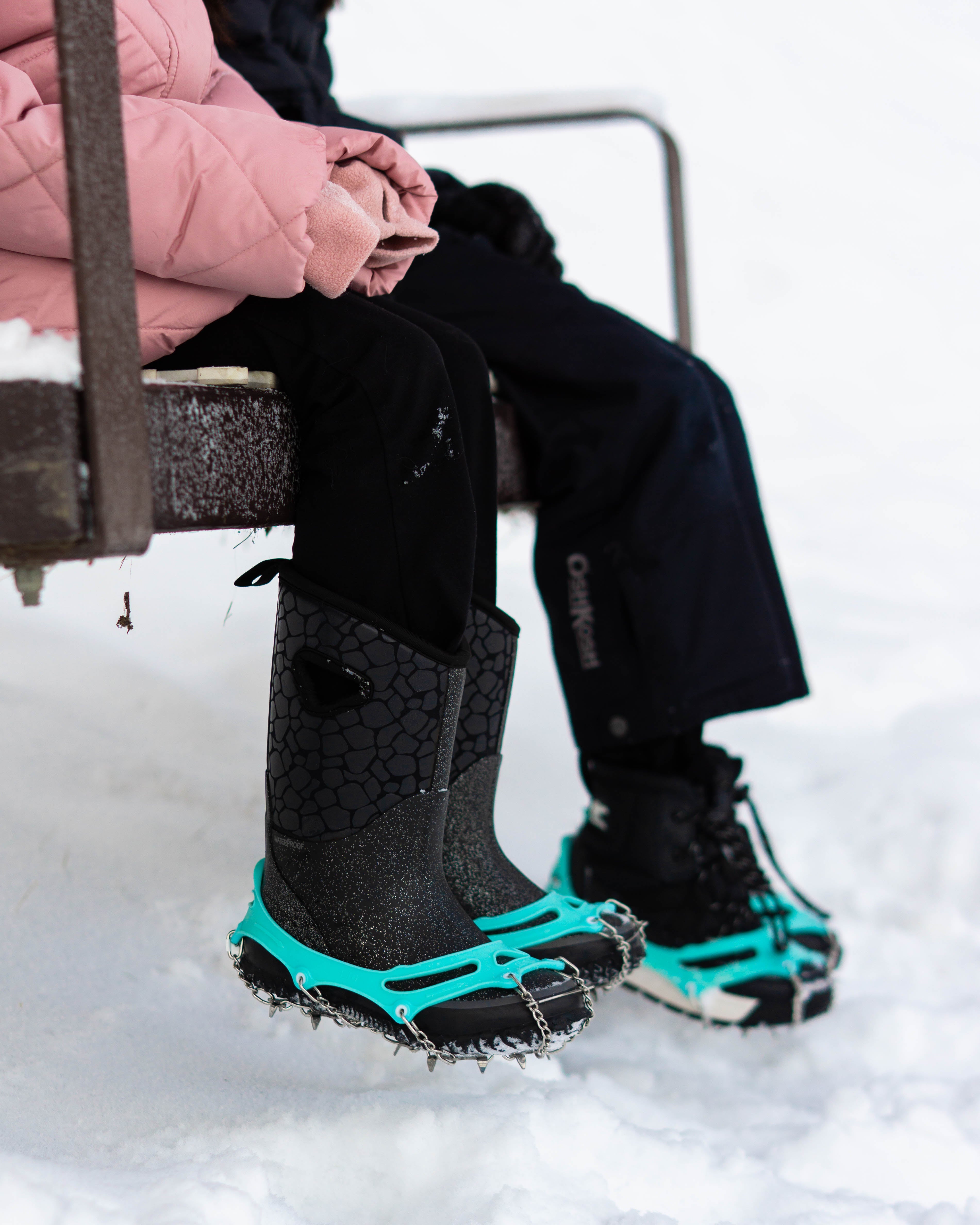
Carbide tips – for dirt, gravel, and icy ground
Small baskets – for packed trails
Large baskets – for snow, sand, or soft ground
If you plan to use trekking poles for camping in different regions, interchangeable baskets add versatility.
Step 7: Weight and Packability
Ultra-light poles aren’t necessary for beginners, but overly heavy poles can cause fatigue.
-Look for a balanced weight
-Collapsible poles are easier to pack for camping trips
-Three-section poles are common and beginner-friendly
Common Beginner Mistakes to Avoid
-Choosing poles based only on price
-Ignoring grip comfort
-Buying fixed-length poles too early
-Setting the wrong pole height
-Not using baskets for soft terrain
Avoiding these mistakes helps beginners get more comfort and long-term value from their hiking poles.
Are Trekking Poles Worth It for Beginners?
Yes. For hikers and campers across the U.S., trekking poles provide better stability, reduce injury risk, and improve overall comfort, especially on longer or uneven trails.
From national parks to local trail systems, camping trekking poles are a smart investment for anyone just starting out.
Final Thoughts
Choosing trekking poles doesn’t have to be complicated. Focus on adjustability, durable materials, comfortable grips, and reliable locking systems. Once you find the right pair, trekking poles can quickly become one of your most-used outdoor tools.
For beginners, the right trekking poles make hiking and camping more enjoyable, no matter where your next trail leads.


Leave a comment
All comments are moderated before being published.
This site is protected by hCaptcha and the hCaptcha Privacy Policy and Terms of Service apply.