
Winters across the United States can be unpredictable from icy sidewalks in Chicago and Minneapolis to snowy trails in Colorado and Utah. Having reliable spikes for shoes can help prevent slips, injuries, and unsafe winter travel. But with so many traction options like ice spikes, crampons, and snow cleats, it can be hard to know which works best for daily use, hiking, or harsh winter conditions.
This guide breaks down each traction type so you can choose the best option for icy sidewalks, winter hikes, and snow-covered terrain. Whether you need shoe spikes for ice, boot spikes for ice, or hiking spikes for mountain trails, here's everything you need to know.
What Are Ice Spikes?
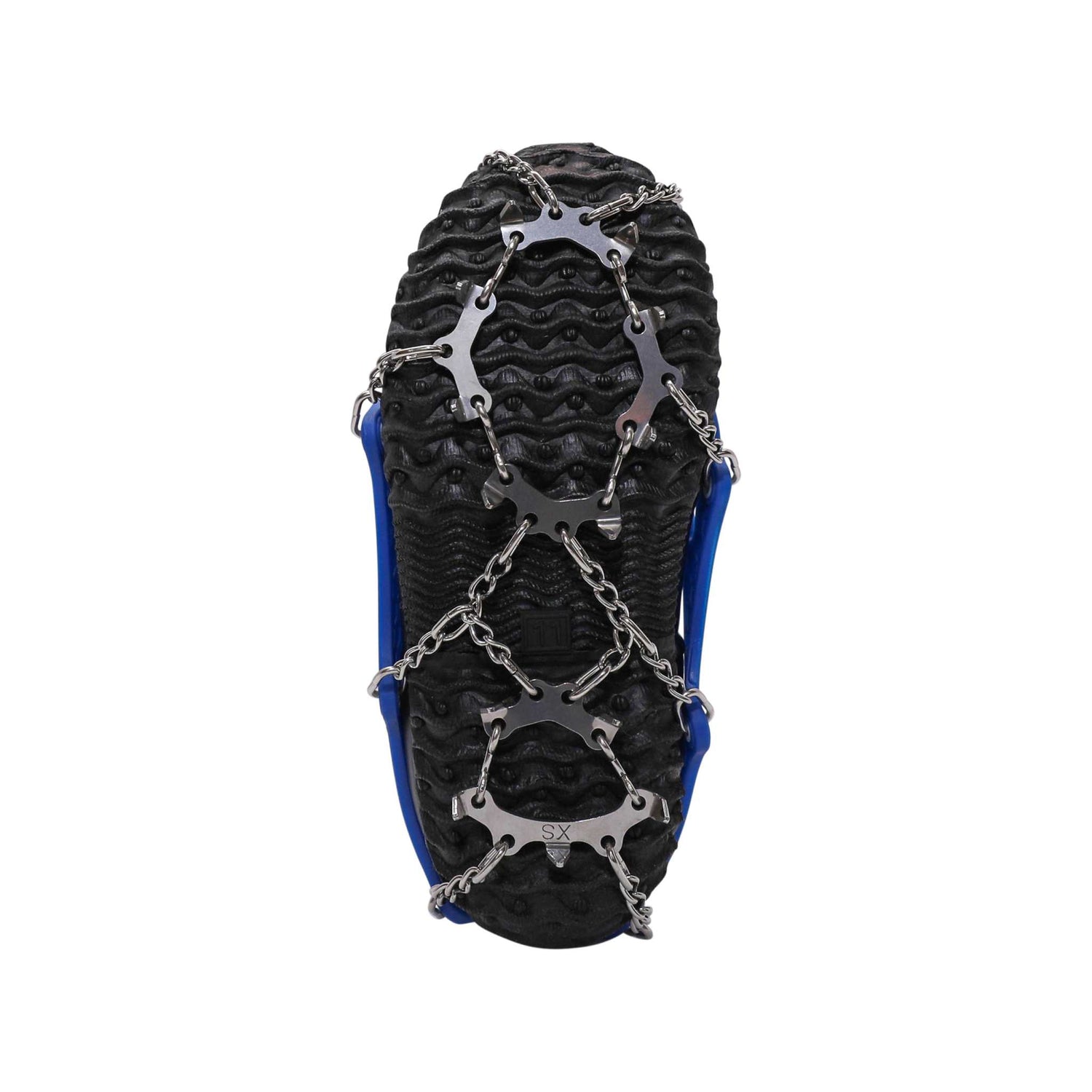
Ice spikes are lightweight traction devices made with small metal teeth that grip packed snow and ice. They are ideal for everyday winter walking and moderate hiking.
Best For:
-Icy sidewalks
-Daily commuting
-Light winter hiking
-Seniors needing stability
U.S. Use Case:
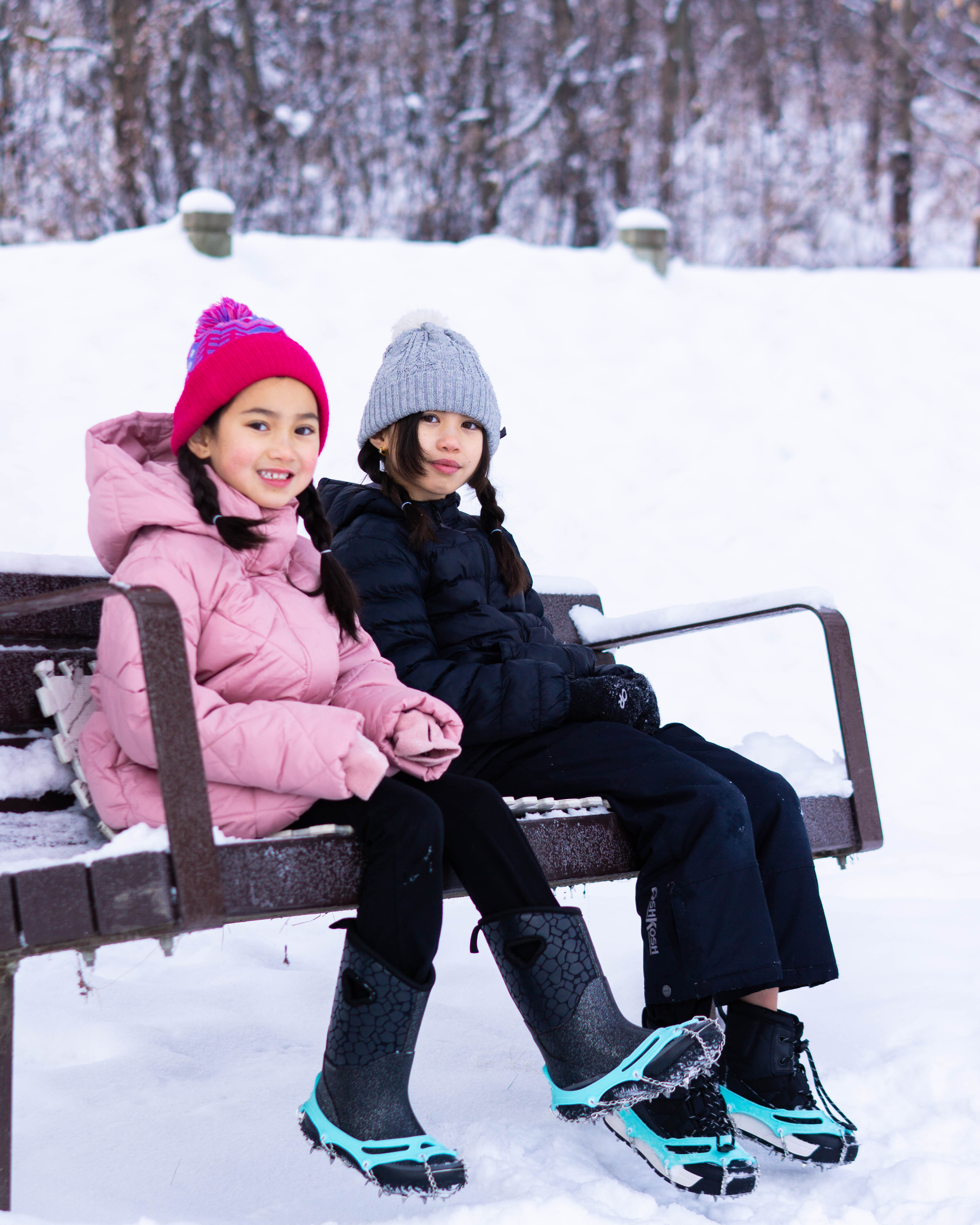
Great for states like Minnesota, Wisconsin, New York, Pennsylvania, Michigan, and Colorado where sidewalks frequently freeze.
Pros:
-Easy to put on and remove
-Lightweight and portable
-Very affordable
-Strong grip for city use
Cons:
-Not suitable for deep snow
-Not strong enough for technical climbs
What Are Snow Cleats?
Snow cleats are slip-on rubber traction devices with small studs or metal coils. They are meant for casual walking on snowy or lightly icy surfaces.
Best For:
-Walking the dog
-Light snow or slush
-Grocery runs and daily errands
-Workers who spend time outdoors
U.S. Use Case:
Popular in the Northeast, Midwest, and Northern states where winter roads freeze repeatedly.
Pros:
-Very flexible and comfortable
-Affordable and durable
-Great for seniors and everyday walkers
Cons:
-Not enough traction for hiking
-Coils can wear down on pavement
What Are Crampons?
Crampons are designed for extreme winter activities. With long, sharp metal spikes, they provide maximum grip on steep slopes, glaciers, and hard-packed ice.
Best For:
-Ice climbing
-Mountain hiking
-Glacier travel
-Steep winter trails
U.S. Use Case:
Used in regions like the Colorado Rockies, Washington’s Cascade Range, and Montana’s backcountry.
Pros:
-Maximum traction
-Perfect for steep ice and snow
-Long-lasting and durable
Cons:
-Heavy and not meant for city walking
-More expensive
-Can damage indoor or flat surfaces
Ice Spikes vs Snow Cleats vs Crampons: Key Differences
1. Purpose & Usage
Device Everyday Walking Hiking Mountaineering Ice-Climbing
Ice Spikes ✔ Great ✔ Good ✖ ✖
Snow Cleats ✔ Good ✖ ✖ ✖
Crampons ✖ ✔ Excellent ✔ ✔
2. Traction Strength
Ice Spikes: Medium grip for icy sidewalks
Snow Cleats: Light grip for mixed snow/slush
Crampons: Maximum grip for steep ice
3. Weight & Portability
Ice spikes: lightest
Snow cleats: soft, flexible
Crampons: heaviest
4. Compatibility with Boots
Ice spikes fit most ice spikes for boots
Snow cleats fit sneakers or casual shoes
Crampons require stiff mountaineering boots
Which One Should Americans Choose?
Choose Ice Spikes If:
You walk on icy sidewalks or need daily winter traction. Suitable for major U.S. winter cities like:
Chicago • Boston • Denver • Detroit • Cleveland • Buffalo • Minneapolis
Perfect for:
-Seniors
-Commuters
-Students
-Light hikers
Choose Snow Cleats If:
You encounter mostly snow, slush, and mild ice.
Perfect for:
-Dog walkers
-Delivery drivers
-Light winter conditions
Choose Crampons If:
You’re tackling serious mountain terrain in areas like:
Rocky Mountains • Sierra Nevada • Mount Rainier • Montana • Utah
Perfect for:
-Ice climbers
-Winter hikers
-Backcountry explorers
What’s Best for U.S. Conditions?
For most Americans, ice spikes provide the best mix of safety, grip, and comfort for winter walking. Snow cleats are great for mild winter areas, while crampons should only be used for mountaineering or technical climbs.
The right traction device keeps you safe, confident, and slip-free throughout unpredictable U.S. winters.
Trending FAQs
1. Are ice spikes good for U.S. winters?
Absolutely. They provide strong traction for icy sidewalks, parking lots, and winter trails.
2. Can I wear crampons in the city?
No, they’re too sharp and designed only for steep, icy terrain.
3. What’s safest for seniors?
Ice spikes offer strong traction and are recommended for older adults.
4. Do ice spikes work on boots?
Yes. Most ice spikes for boots fit winter, hiking, and work boots.
5. Are hiking spikes the same as ice spikes?
Hiking spikes are usually traction cleats, stronger versions of ice spikes designed for trail use.
6. What’s best for running on icy sidewalks?
Ice cleats or ice spikes, because they allow natural movement.
7. Which traction works best for sub-zero temperatures?
Ice spikes and Traction cleats hold up best in extreme cold.


Leave a comment
All comments are moderated before being published.
This site is protected by hCaptcha and the hCaptcha Privacy Policy and Terms of Service apply.