
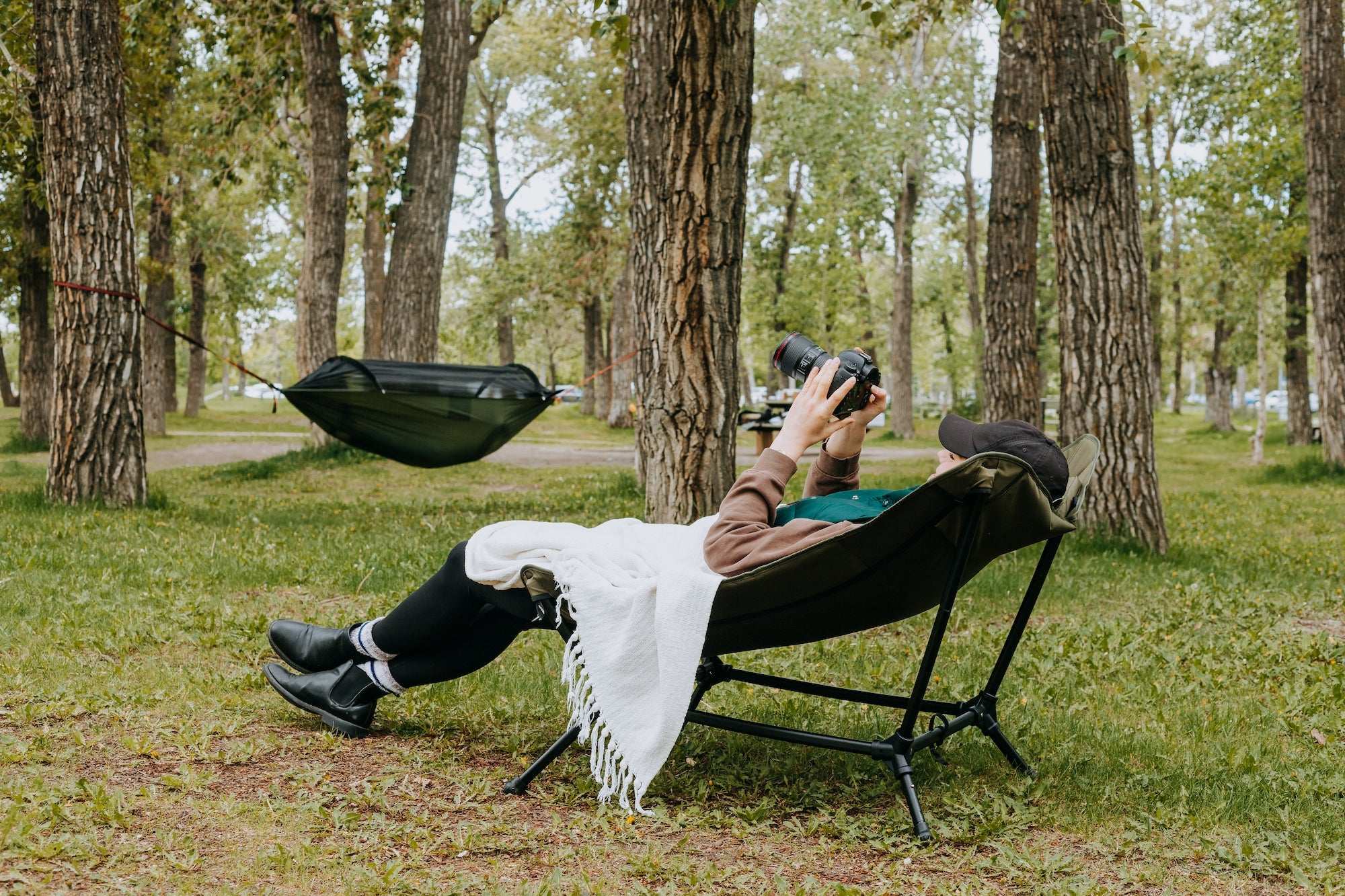

For older adults and the families who care for them
Stay steady, warm and independent this winter
A simple five-part plan to prevent falls on ice, make home safer and keep getting out, with the gear that makes the biggest difference.
- Free shipping over $100 across Canada
- 14-day returns
- A Calgary company
Quick answer: The biggest winter risk for older adults is a fall on ice. Wear light ice cleats that are easy to put on while seated, walk with short, flat-footed steps, keep paths at home salted and well lit, dress in layers, get help with heavy shovelling, and set up a daily check-in with someone you trust. Our top pick for everyday walking is City Spikes ($26).
Why winter is the riskiest season
Winter doesn't just make sidewalks slippery. It changes how often people get out, how much they move and how quickly a small slip turns into something serious.
The good news: most winter falls happen in predictable places, like driveways, steps, curbs, bus stops and parking lots, and a few simple habits make a real difference.
Your five-part winter safety plan
1Steady feet
- Wear ice cleats outdoors on icy days. Put them on while sitting down.
- Walk like a penguin: short steps, flat feet, weight over your front foot. See how.
- Using a cane? Add a retractable ice tip.
- Always take cleats off at the door. They're slippery on indoor floors.
2Safer paths at home
- Keep a bucket of salt or sand by the door for steps and the driveway.
- Add bright outdoor lighting. Dusk comes early in a Canadian winter.
- Make sure railings on outdoor steps are solid, and use them.
- Put a sturdy mat and a chair inside the door for boots and cleats.
3Stay warm
- Dress in layers and cover exposed skin. Frostbite can set in within minutes in extreme cold and wind chill.
- Check the weather and wind chill before heading out, and shorten trips on extreme-cold days.
- Know the signs of hypothermia: shivering, confusion, slurred speech and fumbling hands.
4Shovel smart, or get help
- Heart & Stroke advises that anyone who has had a heart attack, stroke or heart surgery have someone else shovel, or talk to their doctor first.
- Warm up, push rather than lift, and clear fresh snow before it packs down.
- Ask a neighbour, family member or local snow-removal program for help.
5Stay connected
- Set up a daily check-in call or text with family, a friend or a neighbour.
- Carry a charged phone on every walk, in an inside pocket where it stays warm.
- Keep active indoors on the worst days so strength and balance don't slip over the winter.
✓Talk to a professional
- If you've fallen before, have balance concerns or use a walker, ask a physiotherapist or doctor about balance exercises and whether ice cleats are right for you.
- Many communities run free falls-prevention and balance programs for older adults.
Senior-friendly ice cleats we recommend
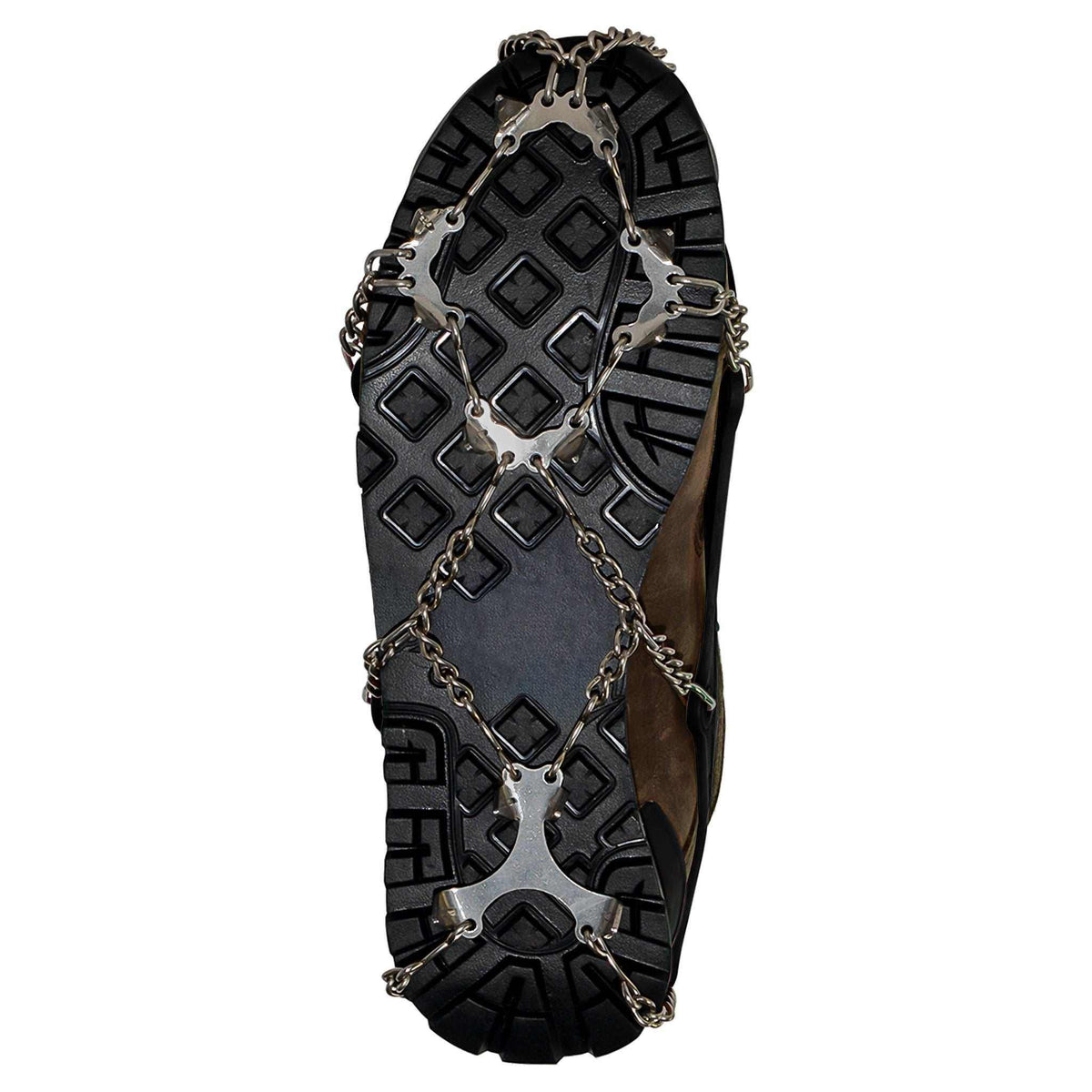
For older walkers, the best cleats are light, low-profile and easy to put on while seated, so they don't change how you walk. These are our picks.


Prices in CAD. Free shipping on orders over $100 across Canada, and 14-day returns if the fit isn't right. Want more detail? Read our full guide to ice cleats for seniors.
How to put ice cleats on safely
- Sit down on a chair or bench by the door.
- Hook the toe of the cleat over the front of your shoe or boot.
- Stretch the harness back over your heel, and fasten the strap if your pair has one.
- Stand up slowly, holding a railing or doorframe.
- Take your first steps on snow or ice, not on the indoor floor.
- When you get back, sit down again to take them off before walking inside.
The winter safety checklist
Print this or save it to your phone. It works just as well for the family member helping someone get ready for winter.
- Ice cleats by the door, and a chair to sit on
- Salt or sand within reach of the steps
- Outdoor lights working on steps and paths
- Railings on outdoor steps solid and secure
- Winter boots with good tread, sized to fit
- Cane ice tip, if using a cane
- Warm layers, hat, mitts and a scarf ready to go
- A shovelling plan: neighbour, family or service
- Daily check-in arranged with someone you trust
- Phone charged and carried on every outing
- Weather and wind chill checked before going out
- Balance or falls-prevention program looked into
Buying for a parent or grandparent?
Ice cleats make a practical gift that says "I want you to stay safe" without making a fuss. To get the size right without asking:
- Use their regular shoe size and check the size chart on the product page.
- If they wear bulky winter boots or are between sizes, size up.
- Not right? We offer 14-day returns.
- Order early so they arrive before the first real ice. December shipping gets busy.
Frequently asked questions
What is the most important winter safety tip for seniors?
Preventing falls. Falls cause most injury hospitalizations among older Canadians, and ice makes them more likely. Wear ice cleats outdoors, walk with short, flat-footed steps, keep paths at home salted and lit, and take your time.
Are ice cleats safe for older adults?
For most older adults, yes, when used properly: put them on while sitting, stand up slowly, and take them off before going indoors. If you have balance problems, have fallen before or use a walker, ask a physiotherapist or doctor first.
What are the best ice cleats for seniors?
Light, low-profile cleats that are easy to put on while seated. City Spikes are our top pick for everyday walking, and Mount Tracks add a Velcro strap for a more secure fit.
Should seniors shovel snow?
Shovelling is hard work for the heart. Heart & Stroke advises that anyone who has had a heart attack, stroke or heart surgery have someone else do it, or talk to their doctor first. Everyone else should warm up, push rather than lift, take breaks and clear snow while it's fresh.
How can families help an older relative stay safe in winter?
Set up a daily check-in, arrange help with shovelling and salting, make sure outdoor lights and railings work, and consider practical gifts like ice cleats and a cane ice tip. Our checklist above is a good place to start.
Can you wear ice cleats indoors?
No. Metal spikes are slippery on tile, laminate and polished floors, and they can scratch them. Always sit down and take them off at the door.
Keep walking all winter
A light pair of ice cleats by the door is one of the simplest ways to stay steady and keep getting out. Free shipping over $100 across Canada, and 14-day returns.
This guide is general information, not medical advice. Talk to your doctor or a physiotherapist about your own health, balance and fall risk.
Sources: Public Health Agency of Canada, "Falls among older adults in Canada"; Public Health Agency of Canada, "Seniors' Falls in Canada: Second Report"; UHN Foundation; Health Canada, "Extreme cold"; BC Centre for Disease Control, cold weather; CTV News, Heart & Stroke shovelling advice.

Leave a comment
All comments are moderated before being published.
This site is protected by hCaptcha and the hCaptcha Privacy Policy and Terms of Service apply.